Scene Investigations & Evidence Documentation
A physical location may hold observable conditions relevant to a legal, insurance, or business matter. Blackwell's Private Investigative Service documents accident scenes, alleged incident locations, premises conditions, entrances, lighting, visibility, and measurements through photographs, video, diagrams, and notes.
Conditions observed during a later investigation may not be identical to conditions on the date of the reported event.
Scene Investigations & Evidence Documentation
A physical location may hold observable conditions relevant to a legal, insurance, or business matter. Blackwell's documents accident scenes, alleged incident locations, premises conditions, entrances, lighting, visibility, and measurements through photographs, video, diagrams, and notes.
Conditions observed during a later investigation may not be identical to conditions on the date of the reported event.
Why It Matters
Why a Location May Require Independent Documentation
A written report may not fully capture what a location looks like, how it functions, or what could reasonably be seen from a particular position. Independent documentation prepared close in time to a reported event can help counsel or a client evaluate the facts.
- A location's observable conditions may be difficult to understand from a written report alone
- Distances, sightlines, lighting, and obstructions may affect how an event is interpreted
- Conditions at a location can change quickly as repairs, weather, traffic, or construction occur
- Photographs and measurements prepared close in time to a reported event may be more useful than later recollection
- Independent documentation can help counsel or a client evaluate whether further investigation is warranted
Locations That May Be Documented
Depending on the assignment and lawful access, Blackwell's may document a range of locations relevant to a reported event.
Accident and Injury Scenes
Intersections, roadways, parking lots, stairways, walkways, and other locations where an injury or accident was reported.
Alleged Crime and Incident Locations
Properties, businesses, residences, or public areas connected to a reported criminal incident, when lawful access is available.
Premises and Property Conditions
Entrances, exits, stairways, walkways, railings, lighting, signage, obstructions, and other observable property conditions.
Parking Lots and Exterior Areas
Parking layouts, traffic flow, visibility, surveillance-camera locations, and surrounding conditions relevant to a reported event.
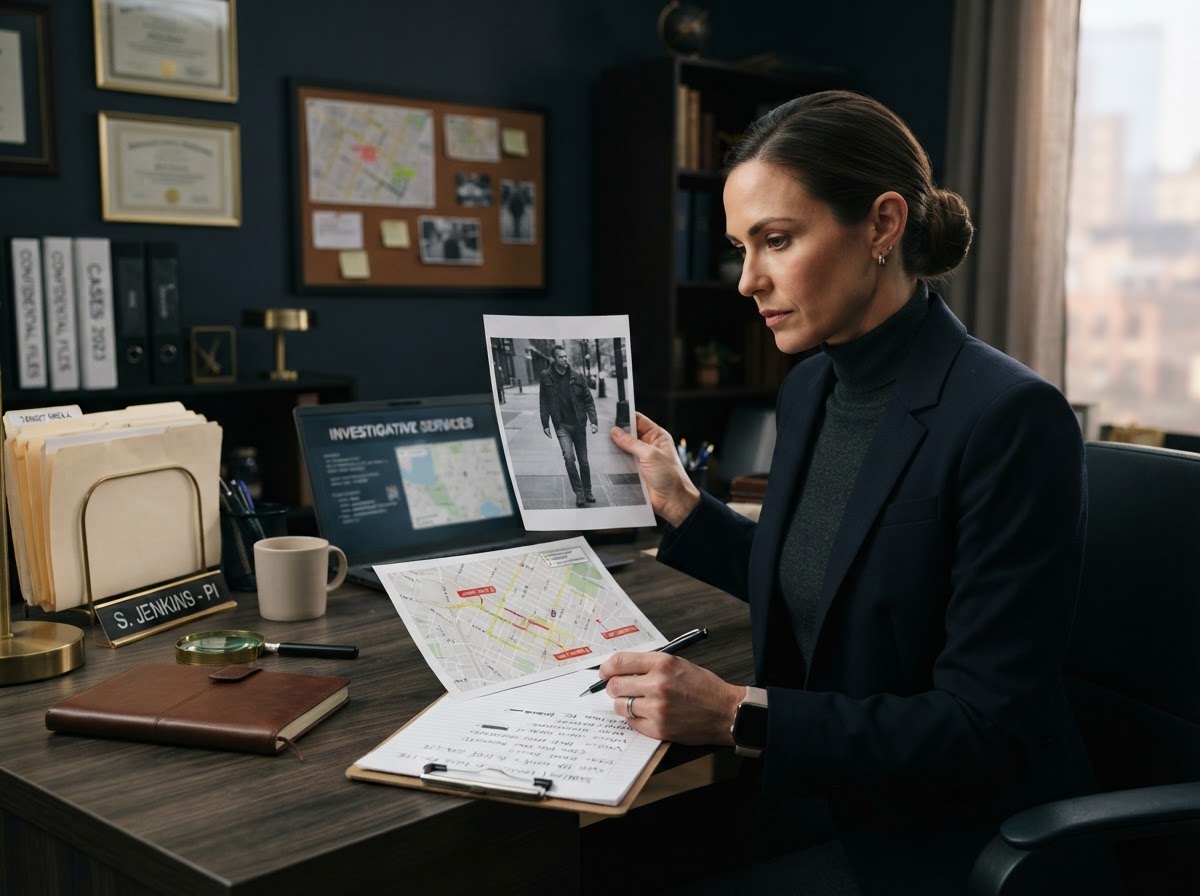
Photographs, Measurements, and Documentation
Depending on the assignment, Blackwell's may document observable conditions using a combination of photographs, video, measurements, diagrams, and location notes.
Documentation is prepared to reflect what is actually observable at the time of the visit, with the date, time, and relevant context recorded.
Documentation may include:
- Photographs of the location from relevant angles and positions
- Video walkthroughs of entrances, exits, paths of travel, and surrounding areas
- Measurements of relevant distances, heights, widths, and sightlines when appropriate
- Diagrams or sketches identifying key features and positions
- Location notes describing observable conditions
- Documentation of entrances, exits, lighting, visibility, and obstructions
- Identification of publicly visible surveillance-camera locations
- Observation of traffic patterns, signage, and surrounding land use
- Documentation of changes that may have occurred since the reported event
- Lawful neighborhood or business canvass when authorized and appropriate
Conditions May Change Over Time
Repairs, weather, construction, traffic, lighting, and seasonal changes can alter a location. Conditions observed during a later investigation may not be identical to conditions on the date of the reported event.
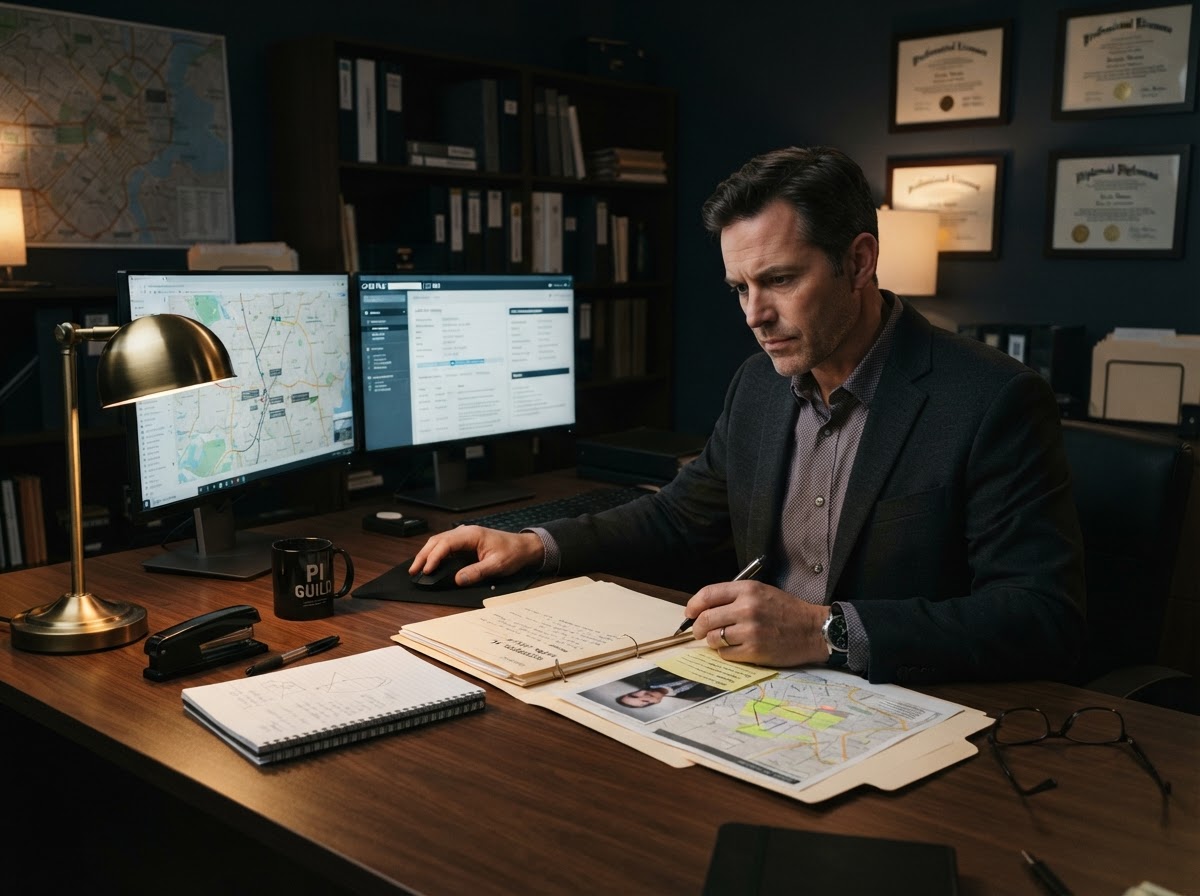
Blackwell's records the date, time, weather, and other relevant context of each visit. Reports clearly identify when observations and photographs were made and note conditions that may have changed since the reported event.
The Process
How Scene Documentation Is Organized
Define the Objective
Counsel or the authorized client identifies the location, the reported event, the questions to be addressed, and the authorized scope of documentation.
Document the Location
The investigator visits the location when lawful access is available and records photographs, video, measurements, diagrams, and notes of observable conditions.
Identify Changes and Limitations
The investigator notes conditions that may have changed since the reported event and records the date, time, weather, and other relevant context.
Organize for Review
Documentation is organized chronologically with source references, limitations, and recommended follow-up for attorney or client review.
Who Scene Documentation Supports
Criminal Defense Counsel
Document alleged crime scenes, incident locations, sightlines, and observable conditions relevant to a defense investigation.
Civil Litigation Attorneys
Document premises conditions, accident scenes, and other locations relevant to personal-injury, premises-liability, and other civil matters.
Insurance and Business Clients
Document locations connected to insurance-related claims, property conditions, or business matters when authorized.
Organized Documentation for Review
Depending on the assignment, potential deliverables may include:
- Dated and time-stamped photographs
- Video walkthroughs of relevant locations
- Measurements and diagrams
- Location and condition notes
- Identification of publicly visible surveillance cameras
- Documentation of entrances, exits, lighting, and visibility
- Observation of changes since the reported event
- Chronological organization of documentation
- Source references and investigator notes
- Identified limitations and recommended follow-up
Exact deliverables depend on the assignment, lawful access, visibility, scheduling, and the scope authorized by counsel or the client.
What Blackwell's Will and Will Not Do
We May
- Document publicly observable conditions at relevant locations
- Photograph, record, measure, and diagram locations when lawful access is available
- Record the date, time, weather, and context of documentation
- Identify publicly visible surveillance-camera locations
- Note changes that may have occurred since the reported event
- Organize documentation for attorney or client review
We Do Not
- Trespass or enter private property without lawful permission
- Claim that later conditions are identical to conditions on the date of the event
- Preserve evidence that is no longer available
- Reconstruct an accident beyond the investigators' qualifications
- Provide expert engineering, accident-reconstruction, or scientific opinions
- Determine admissibility, liability, fault, or causation
- Remove, alter, or disturb evidence at a location
- Provide legal advice or legal representation
Blackwell's documents observable facts for review by counsel or the authorized client. The attorney remains responsible for legal advice, case strategy, admissibility, and how documentation may be used.
Scene Documentation in Wake and Durham Counties
Blackwell's Private Investigative Service is based in Wake County and provides scene documentation for attorneys, businesses, and authorized clients throughout Wake County, Durham County, and surrounding North Carolina communities.
Assignments elsewhere in North Carolina may be considered depending on the location, deadlines, scheduling, travel requirements, and scope of work.
Licensed North Carolina Investigative Support
Blackwell's Private Investigative Service provides professional investigative support involving scene documentation, evidence documentation, witness work, public-record research, and factual reporting.
Blackwell's operates under licensing by the North Carolina Private Protective Services Board. License #2872.
Meet Our InvestigatorsScene Investigation FAQs
Related Investigative Services
Criminal Defense Investigations
Lawful investigative support for criminal defense counsel, including scene documentation and witness work.
Learn MoreCivil Litigation Investigations
Investigative support for civil matters, including premises conditions and accident-scene documentation.
Learn MoreAttorney Investigative Support
Broader investigative support for attorneys across criminal, civil, and other legal matters.
Learn MoreWitness Interviews & Recorded Statements
Fact-focused witness interviews and recorded statements when lawful and authorized.
Learn MoreWitness & Subject Locates
Lawful research and field verification to locate witnesses and case-related individuals.
Learn MoreSurveillance Operations
Lawful surveillance and activity documentation when observation is relevant to the assignment.
Learn MoreNeed a Location Documented?
If you are an attorney, business, or authorized client who needs a scene, premises, or incident location documented, contact Blackwell's to discuss the assignment.
We will review the location, the reported event, the authorized scope, and what documentation may be appropriate.