Criminal Defense Investigations
A criminal case may contain unanswered questions involving witnesses, locations, timelines, records, digital information, or other facts requiring independent follow-up.
Blackwell's Private Investigative Service provides lawful criminal defense investigative support for attorneys and clients throughout Wake County, Durham County, and surrounding North Carolina communities. Services may include witness work, scene documentation, public-record research, field investigation, surveillance, timelines, and factual reporting.
An investigator does not replace a criminal defense attorney. When possible, investigative work should be coordinated with defense counsel.
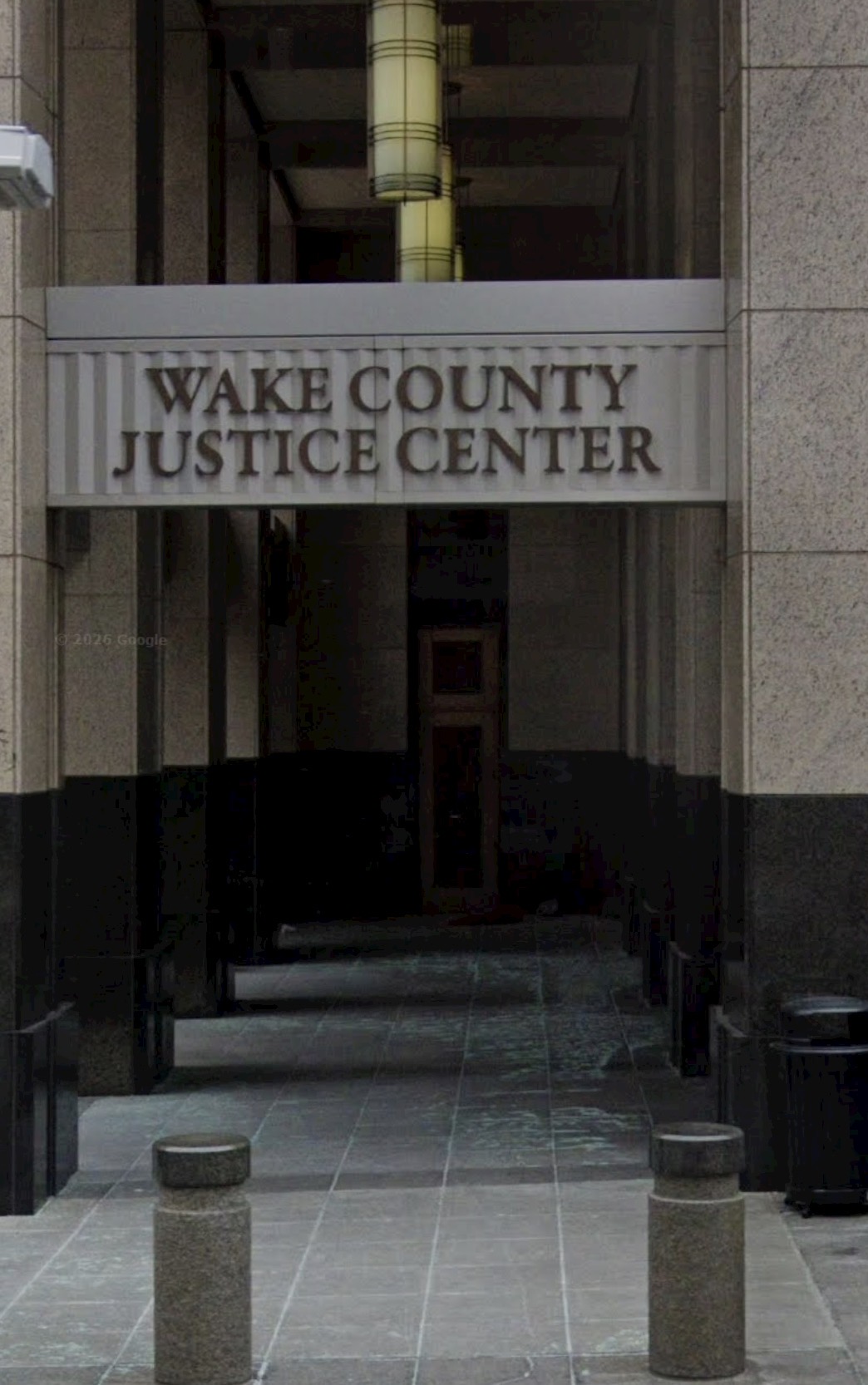
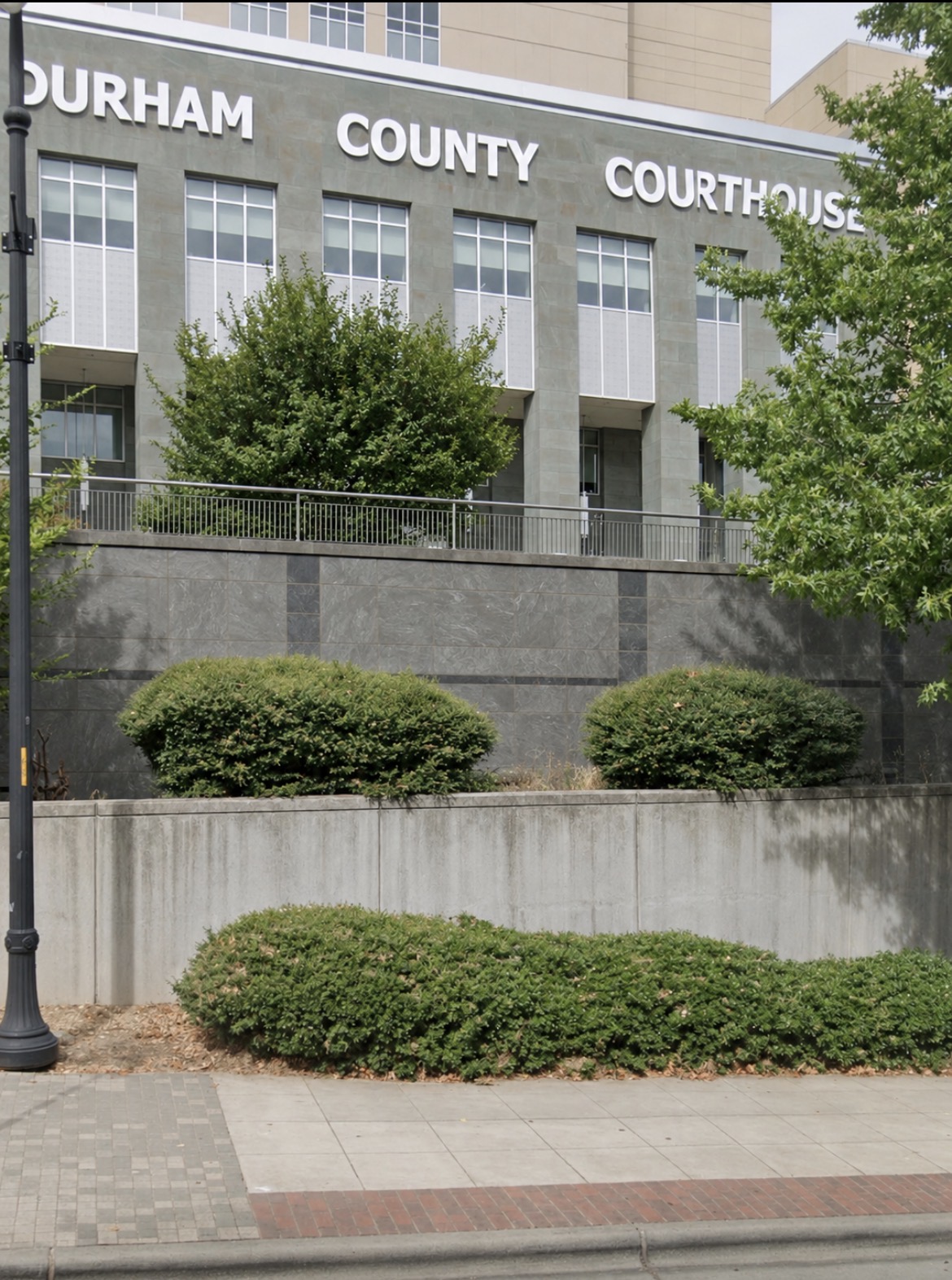
Wake County Justice Center — Raleigh | Durham County Courthouse — Durham
Blackwell's Private Investigative Service is independent and is not affiliated with either courthouse or any government agency.
Investigative Support for Attorneys, Defendants, and Families
For Criminal Defense Attorneys
Blackwell's can coordinate directly with criminal defense counsel to investigate specific factual questions, locate and interview witnesses, document scenes, follow investigative leads, research public records, develop timelines, and organize findings for attorney review.
The scope, priorities, reporting expectations, deadlines, and authorized investigative methods can be established with counsel before work begins.
For Defendants and Family Members
A person facing criminal charges—or a family member trying to help—may recognize that witnesses, locations, records, or other facts require additional investigation.
Blackwell's can discuss the general investigative concern, but we do not provide legal advice or determine defense strategy. If the accused person already has an attorney, investigative work should ordinarily be discussed and coordinated with that attorney. If the person is not represented, they should consult a qualified criminal defense attorney about their legal options.
Hiring an investigator is not the same as hiring an attorney. Blackwell's gathers and documents facts; legal advice, representation, privilege decisions, evidence decisions, and courtroom strategy remain the responsibility of qualified legal counsel.
Why a Criminal Case May Require Additional Investigation
Police reports, discovery materials, and existing case files may not answer every question relevant to the defense. Witnesses may not have been located, memories may change over time, photographs may not fully document a location, timelines may contain gaps, and records may require additional context.
A criminal defense investigator can follow authorized leads independently and document the results for counsel. The objective is not to prove a predetermined conclusion. It is to identify, preserve, and organize relevant factual information so the attorney can evaluate it within the legal defense.
Questions That May Require Investigative Follow-Up
- Are there witnesses who were not identified or interviewed?
- Can an existing witness still be located?
- Does the physical location match the description in the reports?
- What could reasonably be seen from a particular position?
- Are photographs, video, measurements, or diagrams needed?
- Do addresses, dates, times, or reported movements appear consistent?
- Are publicly available records relevant to a person, location, vehicle, or business?
- Is there surveillance footage or other time-sensitive information that counsel should seek to preserve?
- Are there alibi-related people, locations, records, or timelines that require follow-up?
- Do statements or documented timelines contain factual inconsistencies requiring clarification?
Blackwell's does not determine whether evidence is admissible, whether a witness is truthful, or whether information establishes guilt or innocence. Those questions remain with counsel and the court.
Investigative Services
How a Criminal Defense Investigator Can Help
Case Information and Lead Review
Review case information, discovery-related materials supplied by counsel, known timelines, locations, people, and investigative leads to identify areas requiring authorized follow-up.
Witness Location
Use lawful research and field investigation to help locate witnesses or other case-related individuals.
Witness and Subject LocatesWitness Interviews and Statements
Conduct neutral, fact-focused interviews and document relevant information. Recorded statements may be obtained when lawful, appropriate, and authorized.
Witness Interviews and Recorded StatementsScene Investigation and Documentation
Visit relevant locations to document observable conditions using photographs, video, measurements, notes, diagrams, visibility observations, and other agreed methods.
Scene Investigations and Evidence DocumentationPublic-Record and Background Research
Research legally available court records, addresses, affiliations, property information, litigation history, business records, and other public information relevant to the authorized assignment.
Background and Public-Record InvestigationsTimeline Development
Organize reports, statements, records, photographs, locations, and other available information into a chronological timeline for attorney review.
Field Investigation and Surveillance
Follow leads in the field, verify locations, document relevant activity, or conduct lawful surveillance when authorized and appropriate to the defense assignment.
Surveillance OperationsPhotographs, Video, and Reporting
Prepare factual documentation for counsel, which may include photographs, video, interview summaries, activity logs, source references, timelines, and written investigative reports.
Locating and Interviewing Witnesses
Witnesses can become difficult to locate as telephone numbers, addresses, employment, and personal circumstances change. In other cases, a witness is known but has not been interviewed from the defense perspective.
Blackwell's may assist counsel with lawful witness-location research, field verification, contact attempts, fact-focused interviews, and written or recorded statements when appropriate. An investigator does not coach a witness, tell a witness what to say, threaten or harass a witness, or promise a particular result. Interview documentation should reflect what the witness actually reports.
Locate a Witness
Research addresses, contact information, public records, known affiliations, and other lawful leads that may assist in locating the individual.
Conduct a Fact-Focused Interview
Ask neutral questions based on the authorized assignment and document information relevant to counsel's review.
Document the Account
Prepare an interview summary, notes, or a recorded statement when lawful, appropriate, and authorized.
Crime-Scene and Location Documentation
A physical location may provide context that is difficult to understand from a written report alone. Distances, lighting, visibility, obstructions, traffic patterns, entrances, exits, camera locations, and surrounding conditions may all be relevant to counsel's review.
Depending on the assignment, Blackwell's may:
- Photograph and record the location
- Document entrances, exits, streets, buildings, and surrounding areas
- Record visible surveillance-camera locations
- Measure relevant distances when appropriate
- Document lighting or visibility conditions
- Prepare diagrams or location notes
- Identify potential witnesses or businesses in the surrounding area
- Document changes that have occurred since the reported event
- Conduct a lawful neighborhood or business canvass when authorized
Conditions observed during a later investigation may not be identical to conditions on the date of the alleged event. Reports should identify when observations and photographs were made.
Records Research and Timeline Development
Criminal cases may involve multiple statements, reports, addresses, dates, locations, photographs, videos, publicly available online information, and other records. Organizing those materials chronologically may help identify unanswered questions or matters requiring further investigation.
Blackwell's may research and organize legally available information relating to:
- Addresses and location history
- Public court records
- Property and business records
- Publicly available websites and social-media information
- Known associations or business affiliations
- Relevant dates and timelines
- Prior statements supplied by counsel
- Photographs, video, and location information
- Other authorized case-related records
Blackwell's does not hack devices, bypass passwords, access private accounts, intercept communications, or perform forensic examinations outside its qualifications. Digital-forensic work should be performed by an appropriately qualified specialist.
Investigative Support for Misdemeanor and Felony Cases
The investigative need depends on the facts of the case rather than the name of the charge. Subject to case review, lawful authority, scheduling, and the agreed scope, investigative assignments may relate to matters involving:
Listing a category does not represent a claim of specialized legal expertise, guarantee acceptance of an assignment, or predict a case outcome. Blackwell's provides investigative services—not legal representation.
Should You Ask Your Criminal Defense Attorney About an Investigator?
If you or a family member has been charged with a crime, the first priority is obtaining advice from a qualified criminal defense attorney. A private investigator cannot explain what plea to enter, file motions, represent someone in court, or develop legal strategy.
However, it may be appropriate to ask the attorney whether independent investigation could help address witnesses, locations, timelines, surveillance footage, photographs, public records, or other factual questions.
Questions to Discuss With Your Attorney
- Are there witnesses who should be located or interviewed?
- Should the alleged scene be photographed or measured?
- Is time-sensitive video or other information at risk of being lost?
- Are there conflicting statements or timelines requiring follow-up?
- Could public-record research provide relevant context?
- Would an investigator's report help counsel evaluate the facts?
- Should all investigative contact be directed through the attorney?
If you are already represented, do not independently contact alleged victims, witnesses, or opposing parties against your attorney's advice. Discuss the investigative concern with counsel and allow counsel to determine the appropriate next step.
How the Criminal Defense Investigation Process Works
Define the Investigative Objective
Counsel identifies the factual questions, witnesses, locations, deadlines, records, or leads requiring investigation.
Establish the Scope
Blackwell's and counsel establish the authorized tasks, priorities, communication method, reporting requirements, deadlines, and practical limitations.
Conduct the Investigation
The investigator performs the agreed witness work, research, scene documentation, field investigation, surveillance, or other lawful investigative activity.
Report the Findings
Relevant findings are organized for attorney review through reports, interview summaries, photographs, video, timelines, activity logs, or other agreed deliverables.
Attorney involvement does not automatically make every communication, report, recording, or investigative document privileged or protected work product. Counsel must determine privilege, discovery, preservation, disclosure, and admissibility obligations.
Investigative Reporting for Attorney Review
Depending on the assignment, potential deliverables may include:
- Written investigative reports
- Chronological activity logs
- Witness-location results
- Witness interview summaries
- Recorded witness statements when authorized and appropriate
- Scene photographs and video
- Measurements, diagrams, and location notes
- Public-record research findings
- Address and affiliation research
- Investigative timelines
- Surveillance photographs or video
- Source documentation
- Supporting notes and agreed case materials
- Investigator testimony concerning work personally performed when requested and appropriate
Exact deliverables depend on the assignment, available information, witness cooperation, lawful access, visibility, scheduling, and the scope authorized by counsel.
What Blackwell's Will and Will Not Do
We May
- Conduct lawful witness-location research
- Conduct neutral, fact-focused interviews
- Document relevant scenes and locations
- Research legally available public information
- Conduct authorized field investigation
- Conduct lawful surveillance when appropriate
- Organize timelines and factual findings
- Provide reports and supporting documentation
We Do Not
- Provide legal advice or legal representation
- Decide defense strategy
- Guarantee dismissal, acquittal, or reduced charges
- Coach witnesses or tell them what to say
- Threaten, harass, intimidate, or deceive witnesses
- Trespass or unlawfully enter property
- Hack devices, accounts, or private communications
- Alter, conceal, fabricate, or destroy evidence
- Impersonate law enforcement or court personnel
- Determine guilt, innocence, credibility, or admissibility
- Interfere with law enforcement or court proceedings
Blackwell's documents facts for review by counsel. The attorney remains responsible for legal advice, case strategy, privilege determinations, discovery obligations, evidence preservation, admissibility questions, and courtroom presentation.
Licensed North Carolina Investigative Support
Blackwell's Private Investigative Service provides professional criminal and civil investigative support involving witness location, interviews, surveillance, public-record research, field investigation, scene documentation, and factual reporting.
Blackwell's operates under licensing by the North Carolina Private Protective Services Board. License #2872.
Our focus is professional communication, clearly defined assignments, lawful investigative methods, and organized reporting.
Meet Our InvestigatorsCriminal Defense Investigations in Wake and Durham Counties
Blackwell's Private Investigative Service is based in Wake County and assists criminal defense attorneys and clients throughout Wake County, Durham County, and surrounding North Carolina communities.
Wake County criminal matters are conducted through the Wake County Justice Center in Raleigh. Durham County matters are conducted through the Durham County Courthouse in Durham. Courthouse references are provided only to identify the local service area; Blackwell's is not affiliated with either court.
Common service areas include Raleigh, Cary, Apex, Garner, Wake Forest, Holly Springs, Fuquay-Varina, Morrisville, Research Triangle Park, Durham, North Durham, and South Durham.
Assignments elsewhere in North Carolina may be considered depending on the investigative objective, deadlines, scheduling, travel requirements, and scope of work.
Criminal Defense Investigation FAQs
Related Investigative Services
Attorney Investigative Support
Broader investigative support for attorneys across criminal, civil, and other legal matters.
Learn MoreWitness Interviews and Recorded Statements
Fact-focused witness interviews and recorded statements when lawful and authorized.
Learn MoreWitness and Subject Locates
Lawful research and field verification to locate witnesses and case-related individuals.
Learn MoreScene Investigations and Evidence Documentation
Documenting observable conditions at relevant locations through photographs, video, and notes.
Learn MoreSurveillance Operations
Lawful surveillance and activity documentation when observation is relevant to the assignment.
Learn MoreBackground and Public-Record Investigations
Researching legally available public records, addresses, affiliations, and litigation history.
Learn MoreCivil Litigation Investigations
Investigative support for civil attorneys and clients with factual development needs.
Learn MoreNeed Investigative Support for a Criminal Matter?
If you are a criminal defense attorney, represented client, defendant, or family member with questions about witnesses, locations, records, timelines, surveillance, or another investigative need, contact Blackwell's to discuss the situation.
We will explain what investigative services may be appropriate, what limitations apply, and whether the matter should first be coordinated with defense counsel.